
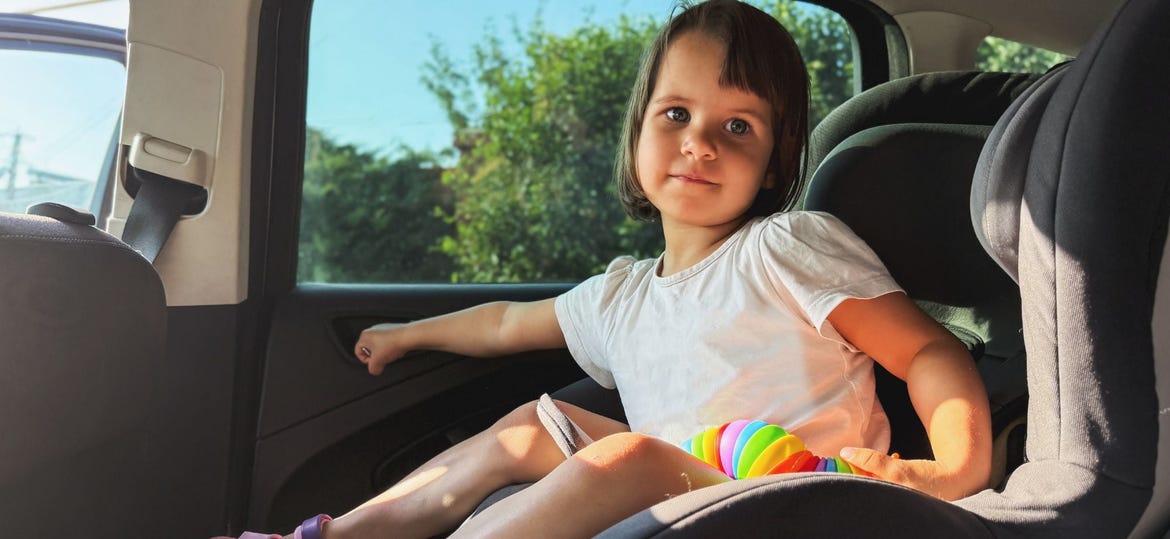
Tips for a Relaxed Trip
Making a long car journey with a toddler feel calm and enjoyable
"Are we nearly there yet?" A long car trip with a toddler can sometimes feel like heading into the unknown. Little legs get restless quickly, patience runs thin, and the need to move around is inevitable.
But do not worry, with the right preparation and a well-packed "entertainment kit", the kilometres will pass much more smoothly.
1. Entertainment: variety is key
Toddlers have short attention spans. The secret is to pace things out. Instead of giving them everything at once, introduce a new activity every 30 to 60 minutes.
- The "surprise bag" idea: Pack small, familiar toys or a few completely new items. Simply unpacking them is entertaining in itself.
- Magnetic games & drawing boards: Anything that cannot easily fall on the floor is invaluable. Magnetic puzzles or drawing boards with attached pens are perfect.
- Audio fun: Stories and children’s playlists with songs are always popular.
Our expert tip: If you would rather not hear a song for the tenth time, child-friendly headphones are well worth considering. - Window art: Window stickers or wipe-clean chalk markers can turn the car window into a creative canvas.
2. Snacks: the secret to avoiding mood swings
Snacking in the car is often about more than just eating. It also keeps little hands busy.
- The snack box: Use a container with several small sections, such as a muffin tray or organiser box. Fill it with berries, corn snacks, cucumber slices or nuts. Picking out the food takes longer and keeps children entertained.
- Choose mess-free foods: Avoid snacks that are greasy or crumbly, such as chocolate or flaky pastries.
- Drinks: Leak-proof bottles are essential for keeping the car seat dry.
3. Planning breaks: giving little kids an opportunity to move
Plan a stop every 1.5 to 2 hours, even if your child seems calm and content.
- Movement: A break should involve more than just a quick diaper change. Let your child run around, jump or play a simple game. Even a small ball can make a big difference.
- Picnic atmosphere: Spread out a blanket during your stop. It breaks up the journey and helps everyone recharge.
Useful travel essentials
Small details can make the journey both more enjoyable and more comfortable:
- A supportive neck or nursing pillow used for extra support and comfort can help your child fall asleep more easily while sitting upright.
- Non-toxic stainless steel water bottles help keep drinks cool and fresh, even on long summer journeys.
- A changing bag or backpack attached to the front seat works well as a handy organiser for toys, wipes and tissues.
- Do not forget sunshades for the windows. Few things cause discomfort more quickly than the bright sun shining directly into your child’s face.
Frequently asked questions about long car trips
Is it better to travel at night or during the day?
This is one of the biggest debates among parents. Travelling at night means your child will probably sleep for much of the journey.
The downside: parents often arrive completely exhausted. Daytime travel suits parents’ body rhythm better, but usually requires plenty of entertainment.
A good compromise is to leave very early in the morning, around 4 a.m., while your child is still sleepy enough to settle back to sleep in the car.
How should I handle tantrums in the car?
Being strapped into a car seat for a long time can be frustrating for toddlers. If tensions rise, stay calm. Sing songs together, make funny noises or stop as soon as possible for a short break. If another adult is travelling with you, changing seats so someone sits next to the child can sometimes help by providing a welcome change of scene.
Can my child use a tablet in the car?
This is a personal preference. For many parents, a tablet is the "emergency solution" for the final part of the journey. If it helps everyone arrive feeling calmer, limited screen time with an age-appropriate film is absolutely fine. Just make sure the tablet is securely attached with a proper headrest mount so that it cannot become dangerous when you need to brake suddently.
What can I do if my child gets car sick?
Car sickness often happens when children focus on something inside the car, such as a book. Try using audiobooks instead of conventional books and make sure your child can look out of the window, ideally through the windscreen. Light, low-fat snacks and regular breaks for fresh air can also help. If nausea is severe, speak to your paediatrician about suitable remedies or travel straps.
💡 Mum’s tip from Antoinette: Keep a soft silicone bib with a catch tray handy in the car. In an emergency, it can collect most of the mess, is quick and easy to clean under running water and helps protect both the clothing and the car seat. Just make sure it sits loosely under the seat belt and does not restrict your child.
Related products
-
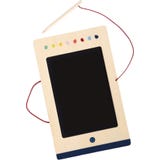
small foot LCD Writing and Drawing Board - "Educate"
- Age: 24 months +
- Size: 29 x 1 x 18 cm
- Pen with magnet & clip holder
-
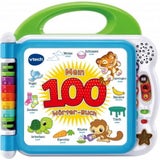
VTech GERMAN - Baby - Mein 100-Wörter-Buch
- German & English
- Promotes language development
- From 2 years old
-
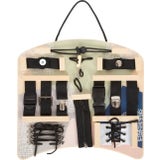
small foot Motor Skills Board - Fasteners and Laces
- Play & learn
- With over 14 fasteners
- Helps improve fine motor skills
-
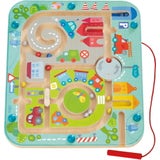
HABA Town Magnetic Maze
- Trains the ability to concentrate
- Colourful design
- Captivating obstacles
Magazine Articles:
Discover Babymondino:
-
Austria: Free standard delivery from € 54,90
-
Free
returns -
24-hour shipping
Secure payments
with SSL encryption technology