
First-aid Kit for Your Family Vacations
Find the everyday first-aid essentials every family needs for babies and toddlers - from wound disinfectants that don't sting and gentle children’s plasters for little scratches to dependable fever thermometers. With these carefully chosen basics, you can feel prepared for the small mishaps and moments of worry that come with family life.
Vacatio & Travel First-aid Kit: 14 items
-
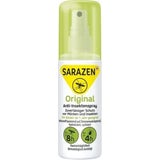
Sarazen Original Insect Repellent, 100 ml
- Biocide product
- Age: 1 year +
- Potects against mosquitoes & ticks
-
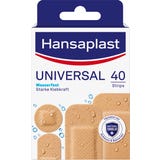
Hansaplast Universal Plasters, 40 pieces
- For all skin types
- Water & dirt-repellent
- Breathable & latex-free incl. padding
-

Sarazen Original Afterbite Herbal Gel, 20 ml
- For babies & children
- Soothes & cools immediately
- With herbal ingredients
-
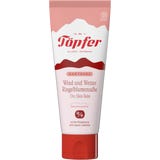
Töpfer Babycare Dry Skin Balm, 75 ml
- For sensitive baby skin
- Forms a protective film
- With organic shea butter
-
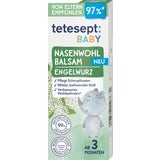
tetesept® Angelica Nose Comfort Baby Balm, 10 ml
- Age: 3 years +
- Mild fragrance
- Free from microplastics
-
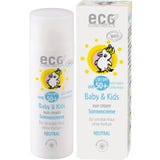
eco cosmetics Baby Sun Cream SPF 50+ Neutral, 50 ml
- Water-resistant and hypoallergenic
- Balanced UVA/UVB filters
- Instantly effective
-
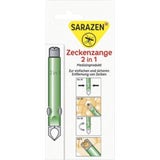
Sarazen Tick Tweezer 2-in-1
- Painless & safe
- Integrated grip pocket
- For small and large ticks
-

Acorelle Baby Sunscreen SPF 50+ unscented, 50 ml
- Hypoallergenic & fragrance-free
- Pure mineral filters
- Cares with high-quality oils
-
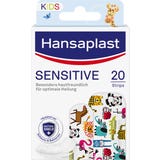
Hansaplast Sensitive Kids Everyday Wound Plasters, 20 pieces
- For sensitive skin types
- Secure hold & painless removal
- Latex-free
-
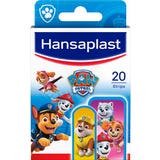
Hansaplast PAW Patrol Plasters, 20 pieces
- For the sensitive skin children
- Secure hold
- Cushioning of small wounds
-

Pilogen Carezza Bio-Bio Baby Zinc Oxide Paste, 100 ml
- Creates a thin barrier
- Protects baby´s bottom from wetness
- With organic calendula
-
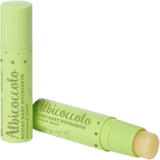
La Saponaria Biocao Lip Balm with Apricot, 5,70 ml
- Highly nourishing
- Soft texture
- Sweet, fruity flavour
-
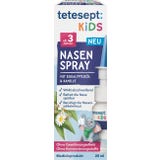
tetesept® Kids Nasal Spray, 20 ml
- Age: 3 years +
- Hypertonic mineral salt mixture
- Without the habituation effect
-
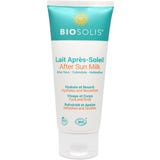
Biosolis After Sun Milk, 100 ml
- Suitable for all skin types
- Refreshes & nourishes
- For the face & body
Frequently asked questions about travel first-aid kits
Can I take medicine for my baby on a plane?
Yes, essential medicines for babies are usually exempt from the standard 100 ml hand luggage rule. To help security checks go smoothly, keep any liquid medicines easily accessible, ideally in a transparent bag. If you are carrying prescription medicine, it is also a good idea to bring a brief medical note or official doctor's prescription note with you in case of questions.
How should I store medicine while travelling?
Children’s medicines should be protected from heat and direct sunlight while travelling. On long summer car journeys or days at the beach, temperature-sensitive products such as suppositories are best kept in a small insulated bag. In a hotel room, choose a cool, dry place rather than a humid bathroom. If suitable, the minibar can also be a practical option.
What’s the quickest way to relieve insect bites on my baby while on holiday?
In case of insect bites, gently cool the affected area straight away with a small cooling pad or cold compress to help reduce swelling and discomfort. You can then apply an anti-itch gel that is specifically suitable for babies.
Important: Try to prevent your child from scratching the bite, as this can irritate the skin and may lead to inflammation.
Which first-aid essentials do I need for minor wounds and small scrapes?
Small grazes and scratches in young children can usually be treated gently in two simple steps:
Clean: Clean the wound with a non-stinging wound disinfectant spray to help prevent infection.
Protect: Cover the area with a breathable, skin-friendly children’s plaster. A mild wound protection cream can also help support the healing process and care for sensitive skin.
Magazine Articles:
Discover Babymondino:
-
Austria: Free standard delivery from € 54,90
-
Free
returns -
24-hour shipping
Secure payments
with SSL encryption technology